Fathr Familyguide
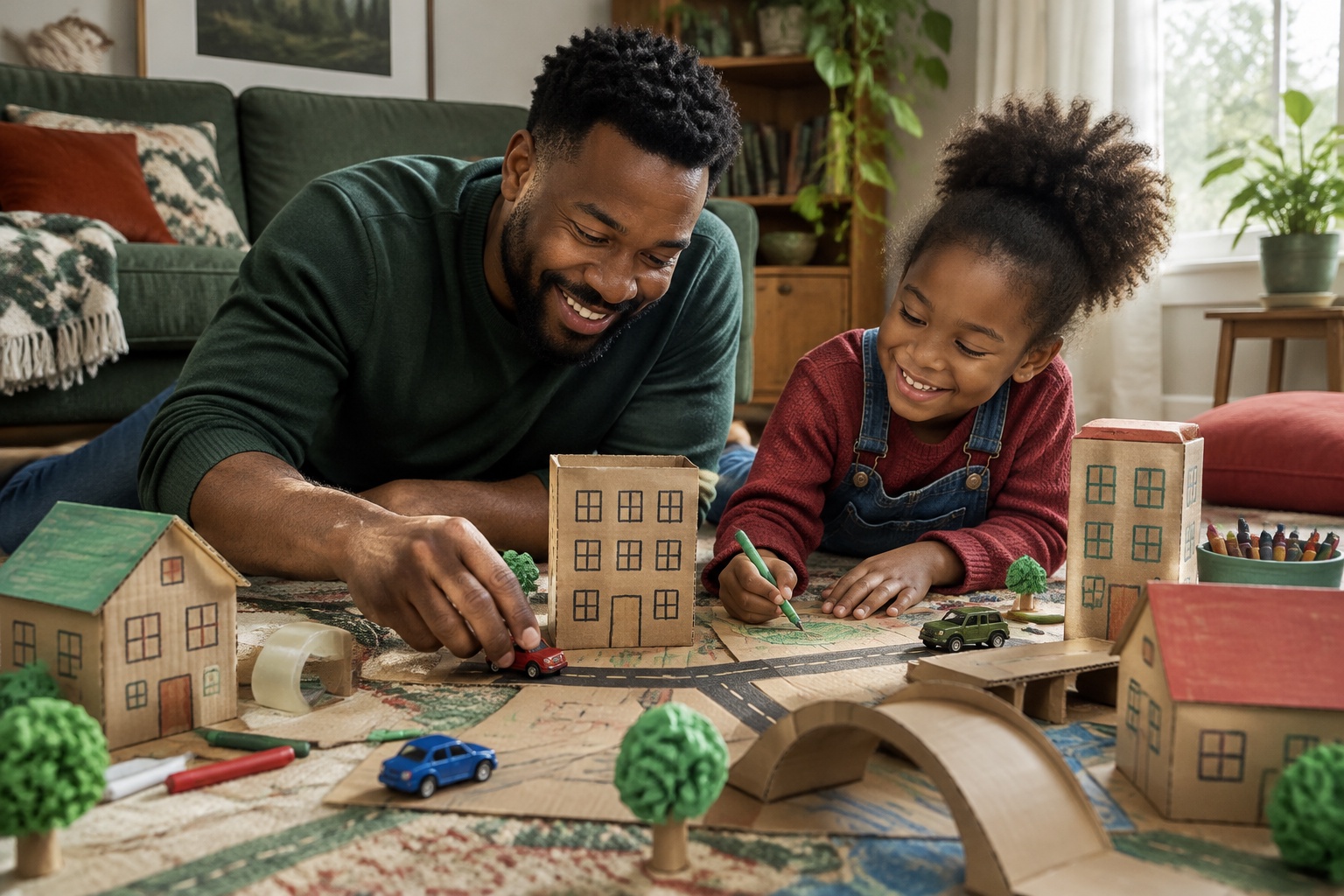
Rainy-Day Activities for Kids: A Dad's At-Home Playbook
Eight screen-free ideas using what you already have, with less setup and more time together.
4 min read
Fathr Family · article · 3 min read
A small change to the homecoming that leaves room for tiredness, silence and eventually a real conversation.

'How was school?' is a reasonable question. It can also arrive at the moment your child has least left to give. Try greeting them before asking for a report: 'Good to see you.' A snack, some water, a quiet walk or a little space may be a more useful first move.
This is not a rule that children must talk later. It is an invitation to make the transition gentler. Watch your own child: some want to tell you everything at the gate, while others prefer company without conversation.
When they seem ready, ask one question you can genuinely listen to. 'Was there anything funny today?' or 'Anything you want help with?' gives them a smaller starting point than a review of the entire day.
If the answer is 'nothing', let it be nothing for now. Stay available while you cook, walk the dog or clear the table. Repeating the same question more loudly rarely makes it easier to answer.
Thank them for telling you before moving into investigation. 'That sounds upsetting. Do you want me to listen, or help think about what to do?' can slow your own urge to solve everything.
If they describe harm, bullying or feeling unsafe, take it seriously. Keep a factual note, explain what you will do next, and contact the appropriate school staff or safeguarding service. Do not promise secrecy about a safety concern. Give your child a say where possible without making them responsible for the adult response.
You may not be the parent at pickup. A greeting when you get home or a short conversation during another routine still counts as a chance to connect. Ask the caregiver about practical information privately instead of requiring your child to repeat a performance for every adult.
Try one quieter homecoming this week. Put down your phone, offer a warm greeting and let the first few minutes be ordinary. Later, notice whether your child preferred talking, doing something together or simply sharing a room. Build from what you actually observe.
Ask Fathr about this
Get a practical answer for your own situation.
Eight screen-free ideas using what you already have, with less setup and more time together.
4 min read
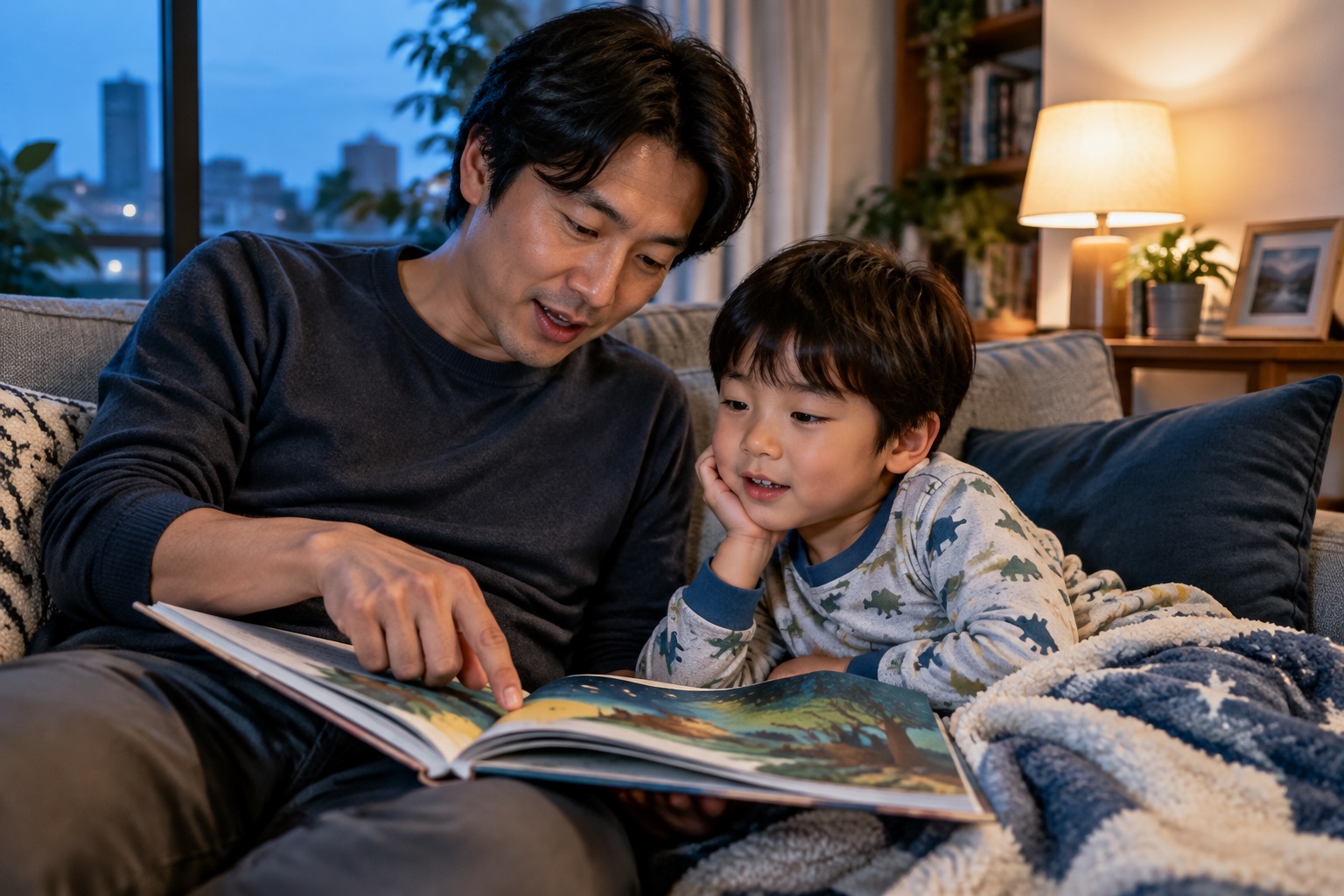
Build an evening your child can recognise, without turning bedtime into a test of willpower.
4 min read

How to stay curious, keep necessary boundaries and become someone your teenager can approach again.
3 min read